1/10 🔐
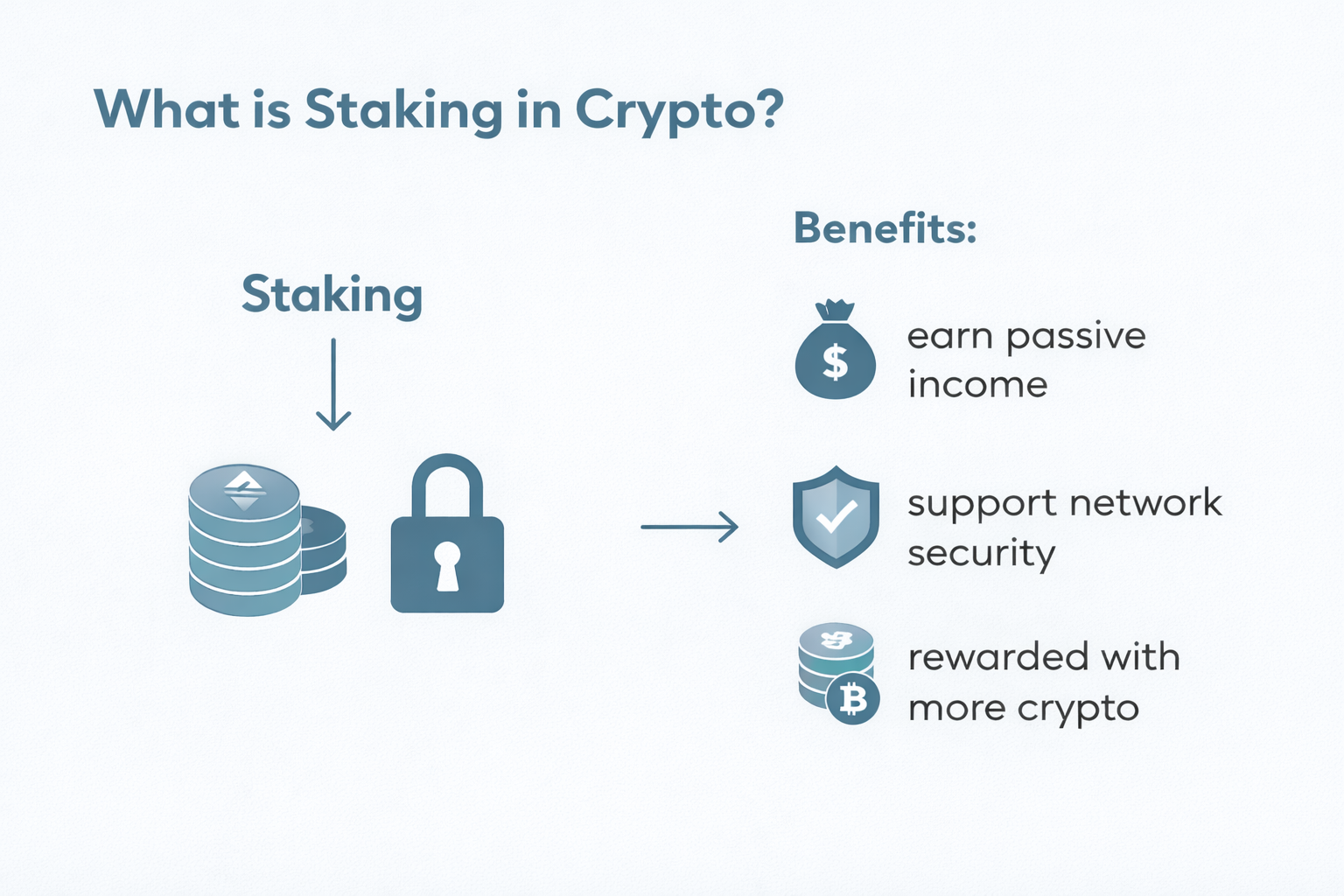
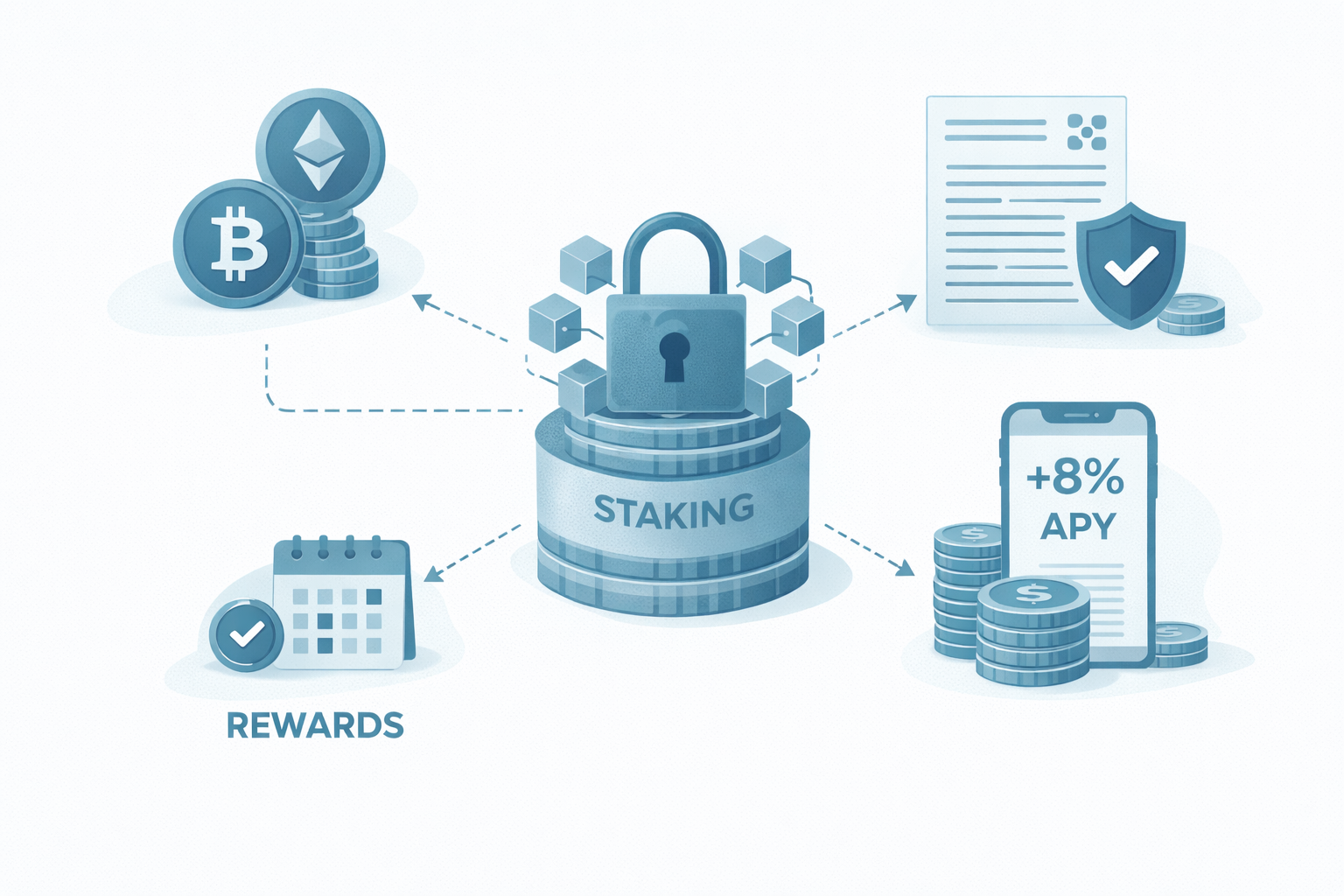
Staking rewards: Earn passive income by locking crypto in a Proof-of-Stake (PoS) network — no active trading required. #Staking #CryptoBasics #ningenie #ninx
2/10 ⚙️
How it works:
You delegate coins to help validate blockchain transactions. In return, the network pays rewards. #ProofOfStake #Blockchain #ningenie #ninx
3/10 🧩
Validators vs Delegators:
• Validators confirm blocks
• Delegators stake via pools & share rewards
More stake = higher validation probability. #CryptoNetwork #Web3 #ningenie #ninx
4/10 📊
What determines rewards?
• Number of participants
• Transaction volume
• Total tokens staked
• Network inflation model #CryptoEarnings #DeFi #ningenie #ninx
5/10 📅
APR vs APY:
• APR = simple annual rate
• APY = includes compounding
Always check which metric is shown. #InvestingBasics #CryptoEducation #ningenie #ninx
6/10 🔒
Lock-up periods matter:
Staked coins are often locked for a fixed time — you can’t sell during volatility. #RiskManagement #PassiveIncome #ningenie #ninx
7/10 🌐
Popular staking coins include:
ETH, ADA, SOL, DOT, AVAX, NEAR & more — yields vary by market cap & demand. #CryptoMarket #Altcoins #ningenie #ninx
8/10 💸
Fees to consider:
• Pool commission (1–5%+)
• Network transaction fees
• Validator cut
Factor these into profit calculations. #CryptoFees #SmartInvesting #ningenie #ninx
9/10 ⚠️
Risks:
• Price volatility
• Slashing penalties
• Locked liquidity
• Scam staking offers promising extreme APY #CryptoRisk #BlockchainSecurity #ningenie #ninx
10/10 📌
Bottom line: Staking can generate steady rewards — but understand mechanics, risks & lockups before committing capital. #CryptoStrategy #StakingRewards #ningenie #ninx