1/8 🤖
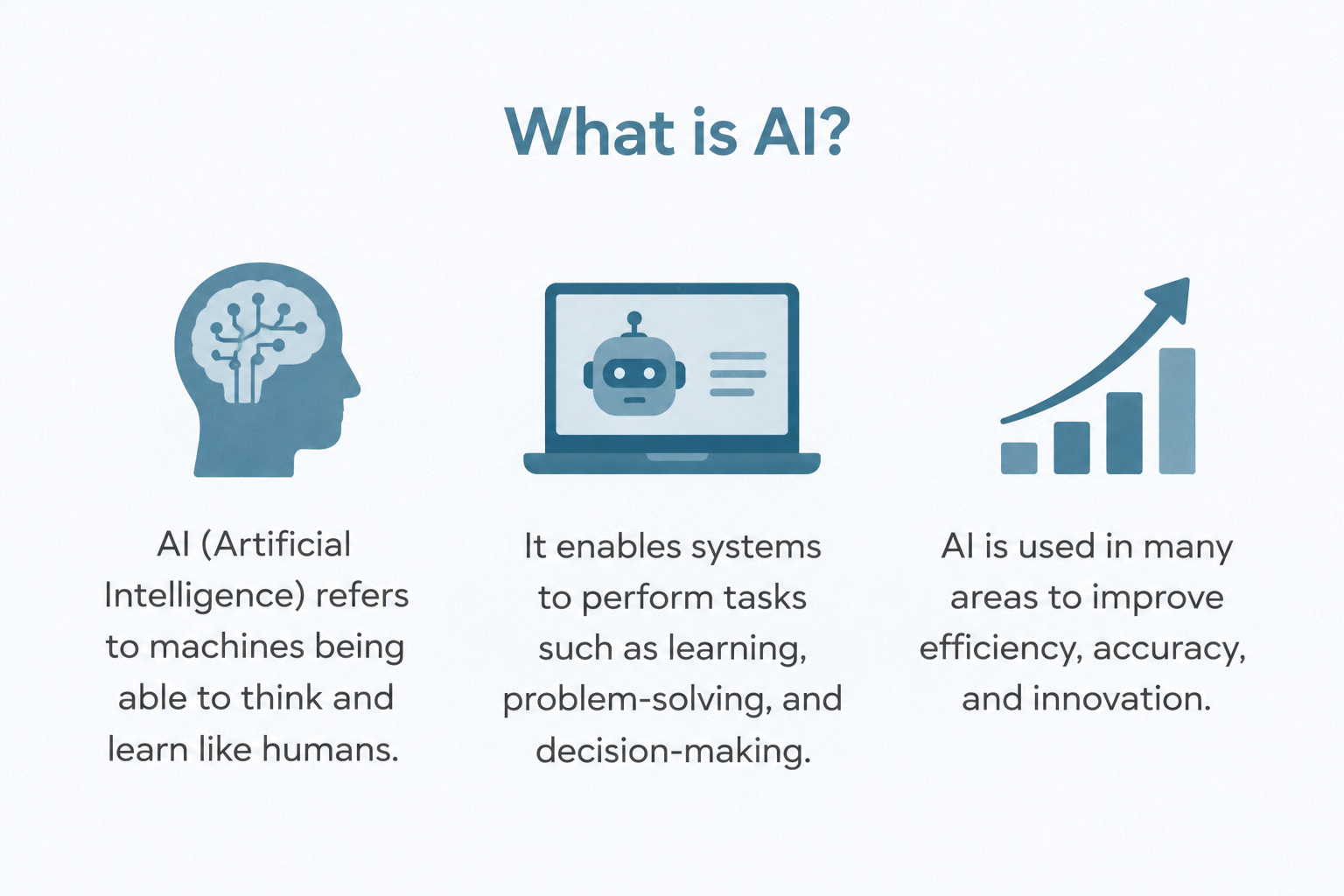
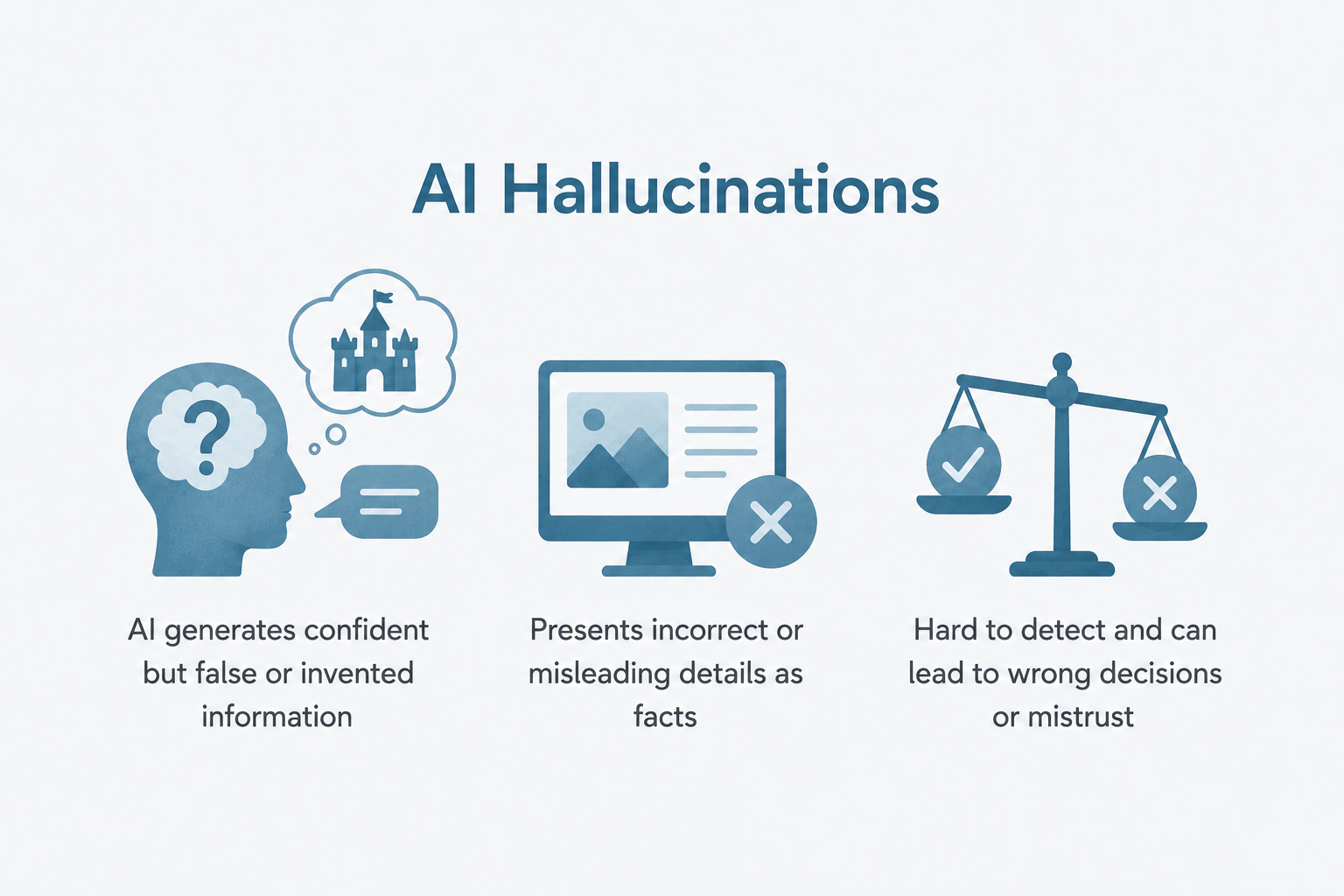
AI hallucinations happen when AI systems generate incorrect, misleading, or completely fabricated information that appears believable #AI #GenerativeAI #ningenie #ninx
2/8 🧠
These errors occur because AI predicts patterns from data rather than truly understanding facts, context, or real-world events #MachineLearning #LLM #ningenie #ninx
3/8 📊
Common causes include poor training data, data bias, overfitting, algorithmic issues, and limited contextual understanding #DataScience #AIModels #ningenie #ninx
4/8 💬
Chatbots may sometimes provide inaccurate facts, fictional events, or misleading answers that sound convincing but are not true #ChatGPT #ArtificialIntelligence #ningenie #ninx
5/8 🚗
In image recognition, hallucinations can cause AI to detect objects that do not exist, creating risks in systems like autonomous vehicles #ComputerVision #Automation #ningenie #ninx
6/8 🎨
Interestingly, AI hallucinations are sometimes used creatively to generate unique artwork, designs, virtual worlds, and innovative ideas #DigitalArt #Innovation #ningenie #ninx
7/8 ⚠️
In healthcare, finance, and security, hallucinations can lead to incorrect decisions, making accuracy and human oversight critical #HealthTech #FinTech #ningenie #ninx
8/8 🚀
Bottom line 👇 AI hallucinations highlight both the power and limitations of AI, making verification and responsible use more important than ever #ResponsibleAI #FutureTech #ningenie #ninx