1/8 🔥
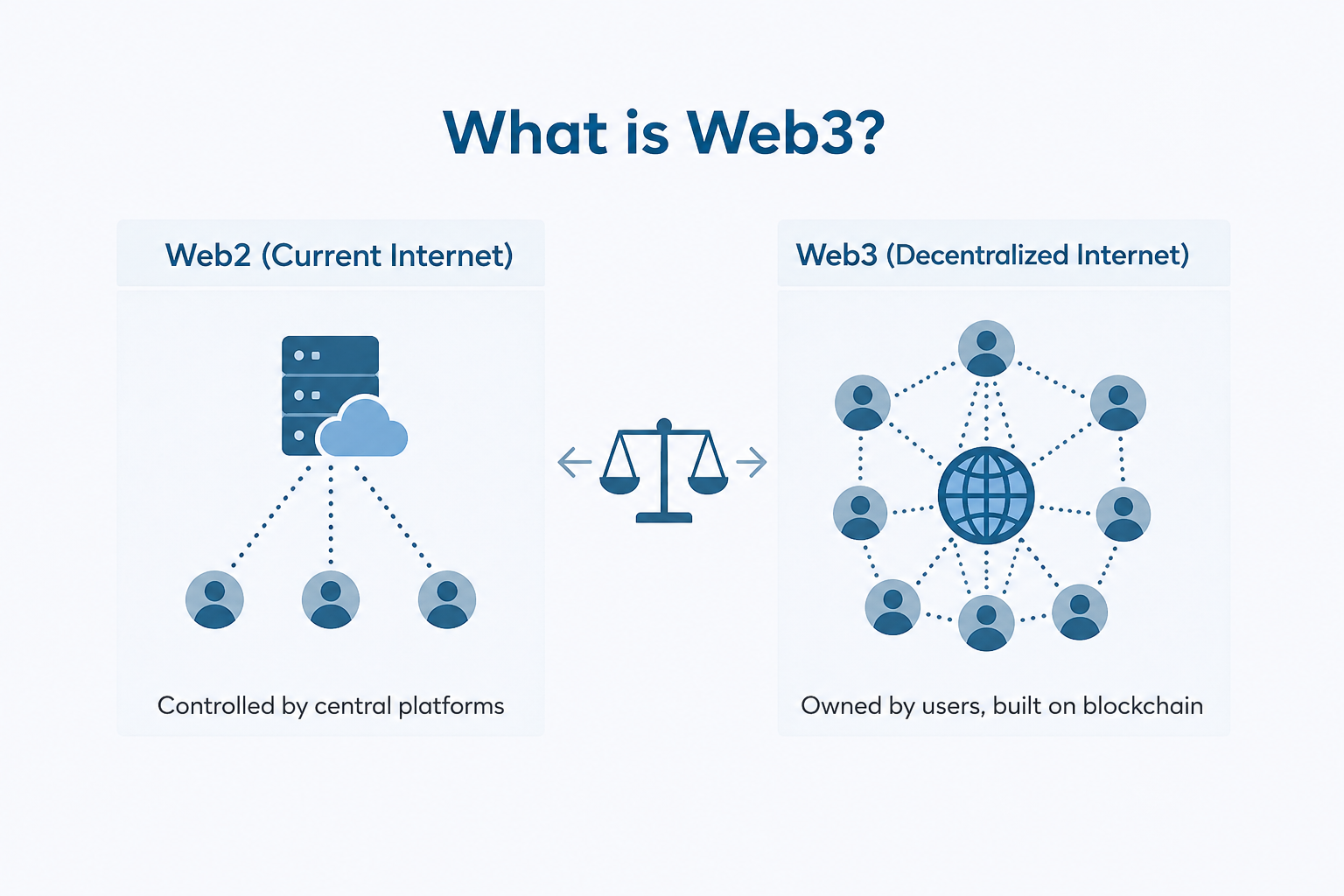
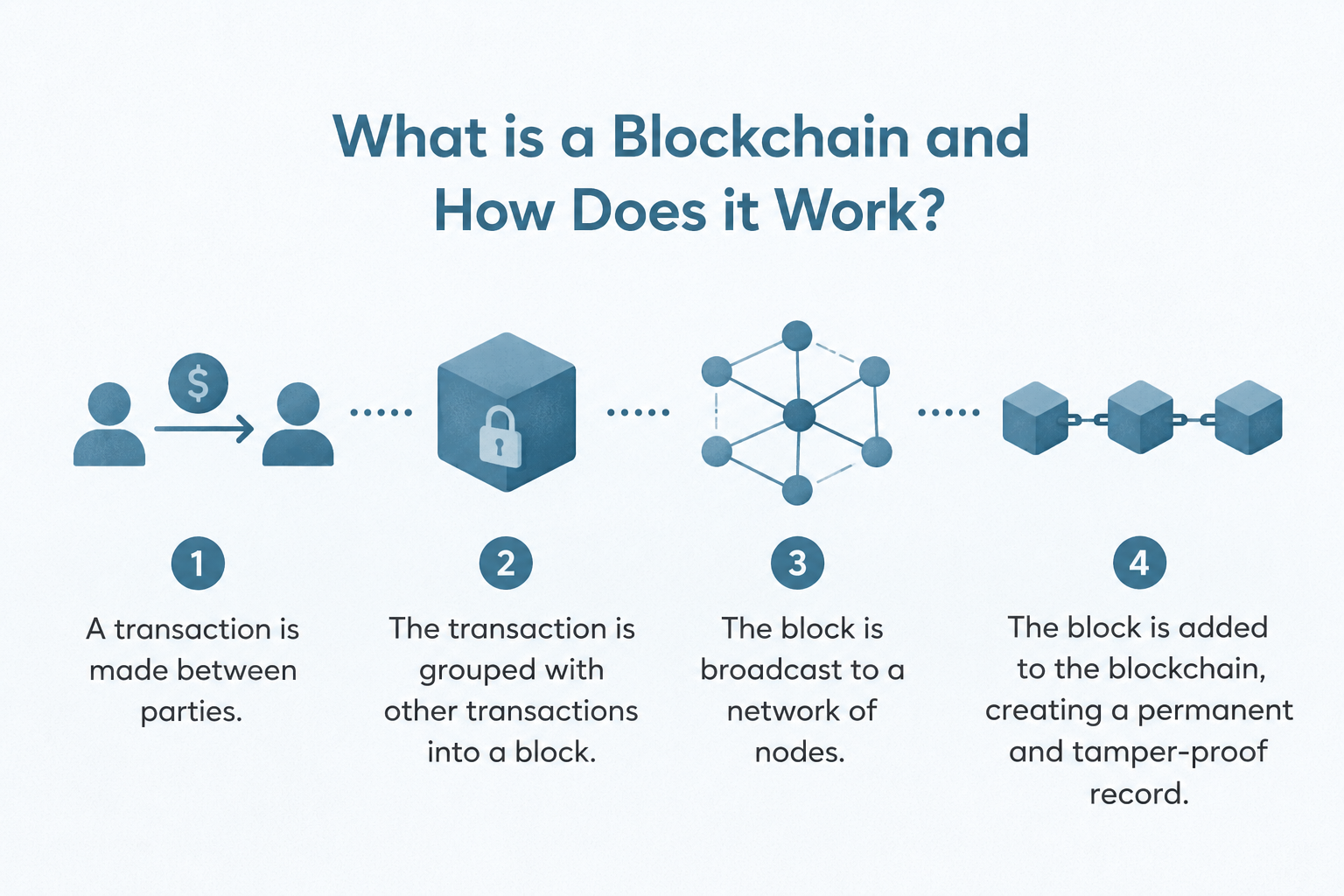
What is a blockchain? ⛓️ A decentralised digital ledger that securely records transactions in connected data blocks across a network of computers #Blockchain #ningenie #ninx
2/8 ⚡
Each block stores transaction data along with a unique hash, creating a secure chain where any tampering becomes immediately visible #CryptoTech #ningenie #ninx
3/8 🧠
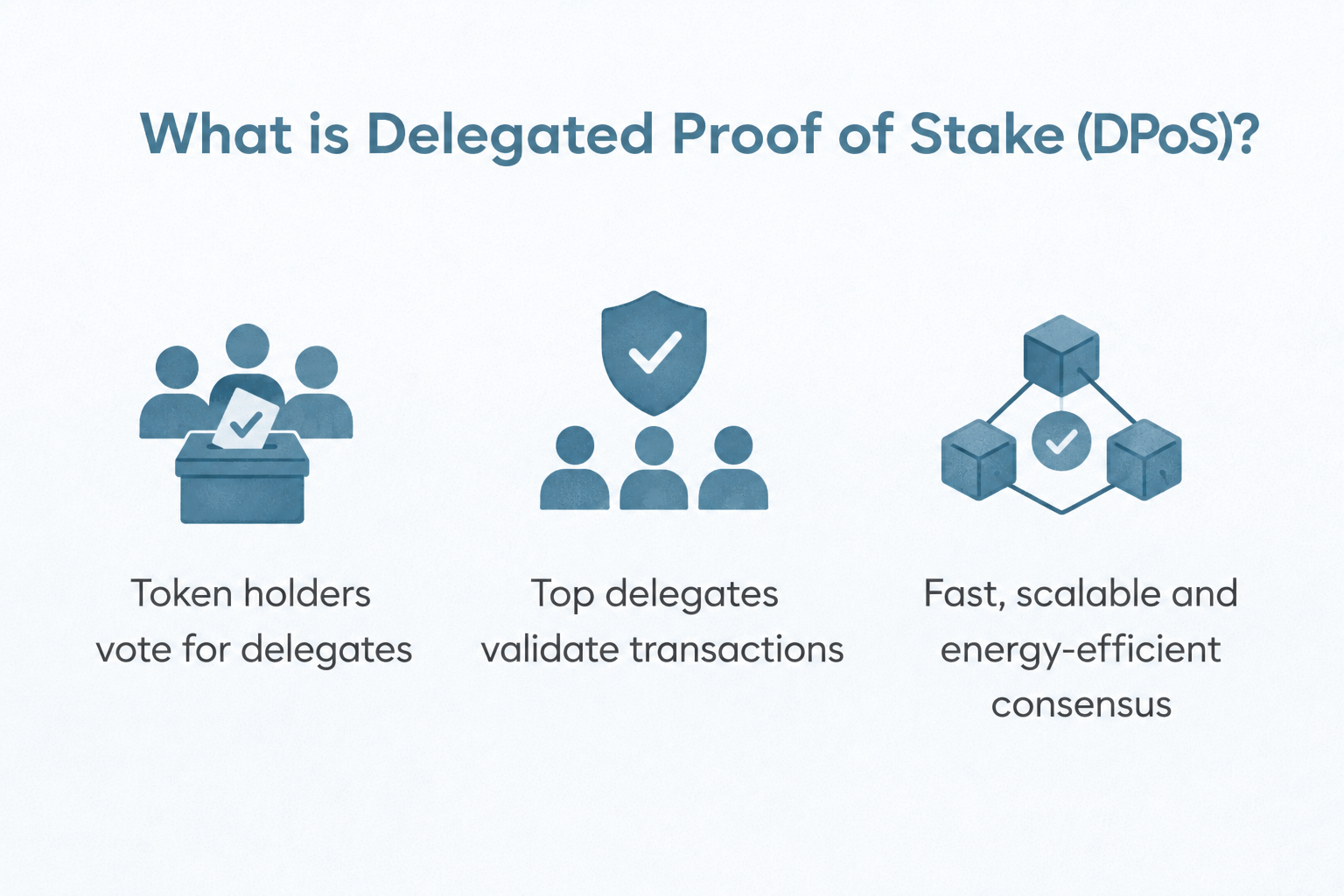
Instead of relying on a central authority, blockchain networks use consensus mechanisms like Proof of Work or Proof of Stake to validate transactions #Decentralization #ningenie #ninx
4/8 🔐
Once verified, transactions are permanently stored across multiple nodes, making blockchain systems transparent, secure, and resistant to fraud #CyberSecurity #ningenie #ninx
5/8 💸
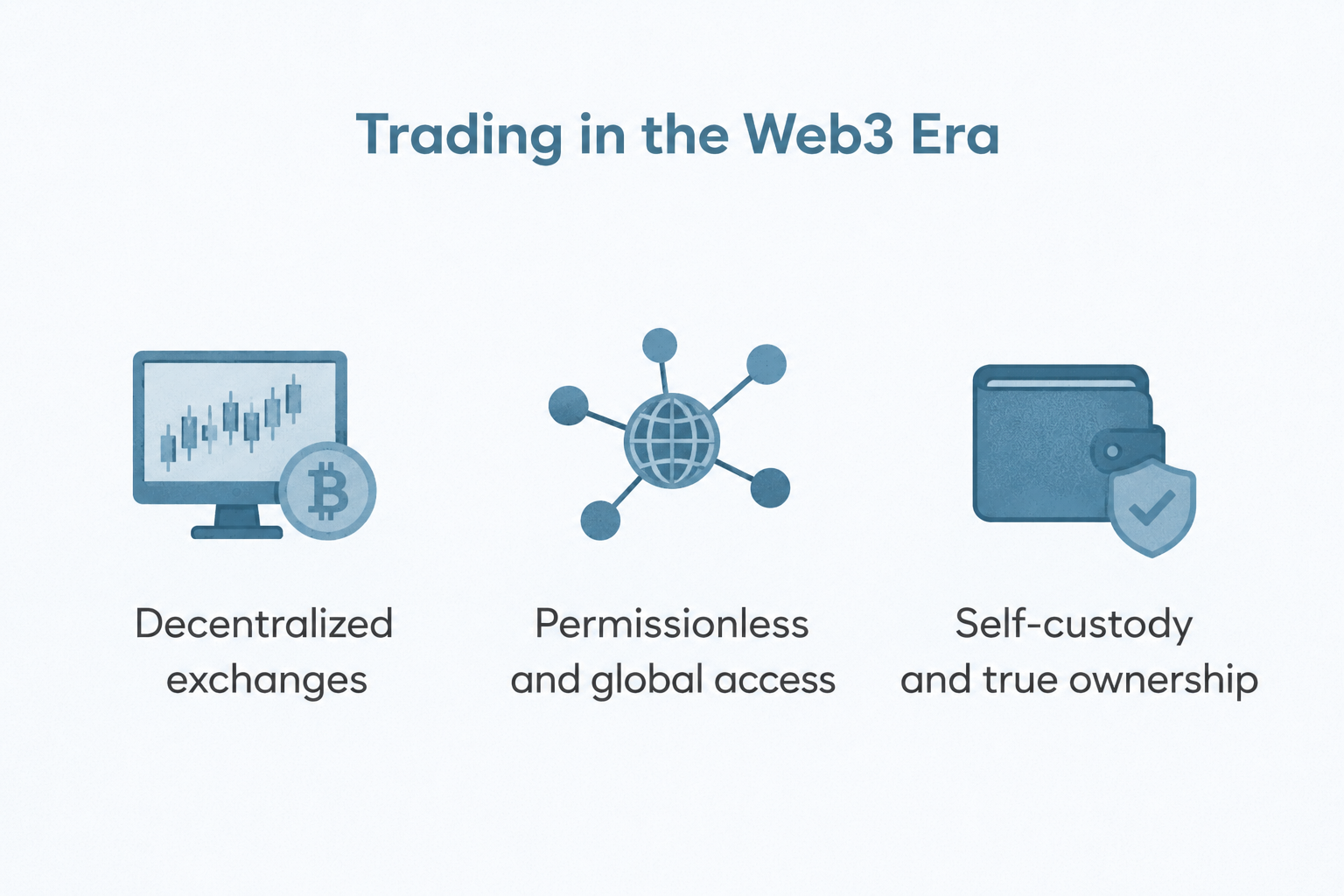
Blockchain powers cryptocurrencies like Bitcoin and Ethereum, enabling fast peer-to-peer transactions without banks or intermediaries #Bitcoin #ningenie #ninx
6/8 🌍
Beyond crypto, blockchain is used in logistics, healthcare, finance, and real estate for tracking data, managing contracts, and improving transparency #Web3 #ningenie #ninx
7/8 📊
Key advantages include transparency, decentralisation, and security, while challenges include scalability, energy usage, and evolving regulations #DigitalInnovation #ningenie #ninx
8/8 🚀
Bottom line 👇 Blockchain technology is transforming how trust, transactions, and digital systems work across industries worldwide #FutureOfFinance #ningenie #ninx