1/6 💸
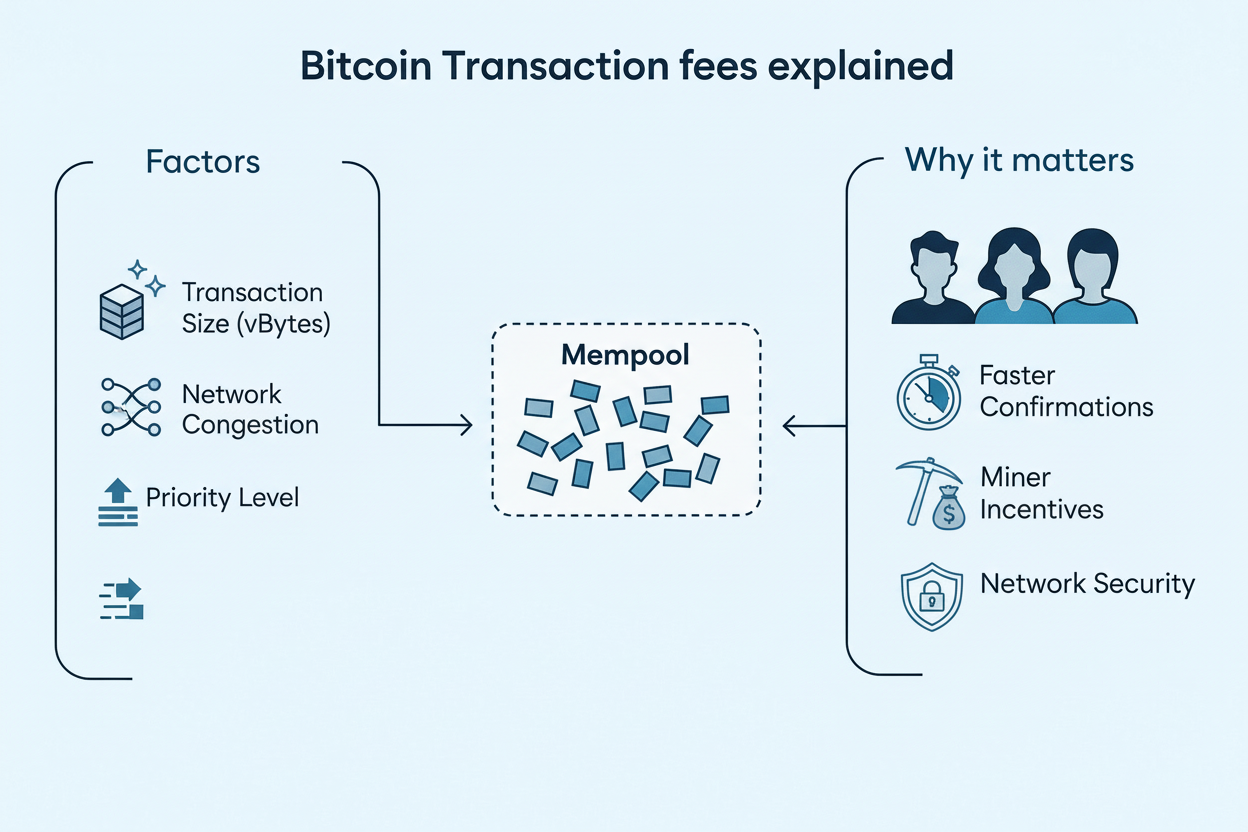
When you send Bitcoin, you pay a transaction fee — not based on how much BTC you send, but on how busy the network is and how large your transaction is in data size #Bitcoin #ningenie #ninx
2/6 🧱
Fees exist because block space is limited. Miners prioritise transactions offering higher “sats per vByte,” similar to a bidding system for faster confirmation #CryptoFees #ningenie #ninx
3/6 🔒
Transaction fees help prevent spam and secure the network. Alongside block rewards (currently 3.125 BTC after the 2024 halving), fees incentivise miners to keep validating blocks #BlockchainBasics #ningenie #ninx
4/6 📊
Your fee is calculated as: transaction size (vBytes) × fee rate (satoshis per vByte). Larger transactions with multiple inputs (UTXOs) cost more to process #BTC #ningenie #ninx
5/6 ⚡
To reduce fees, you can send during low network congestion, use SegWit addresses, consolidate UTXOs, or use the Lightning Network for cheaper off-chain payments #Layer2 #ningenie #ninx
6/6 🧠
Zero or very low fees are possible but risky — transactions may stay stuck in the mempool unless you increase fees using tools like RBF or CPFP #CryptoEducation #ningenie #ninx